
Introduction
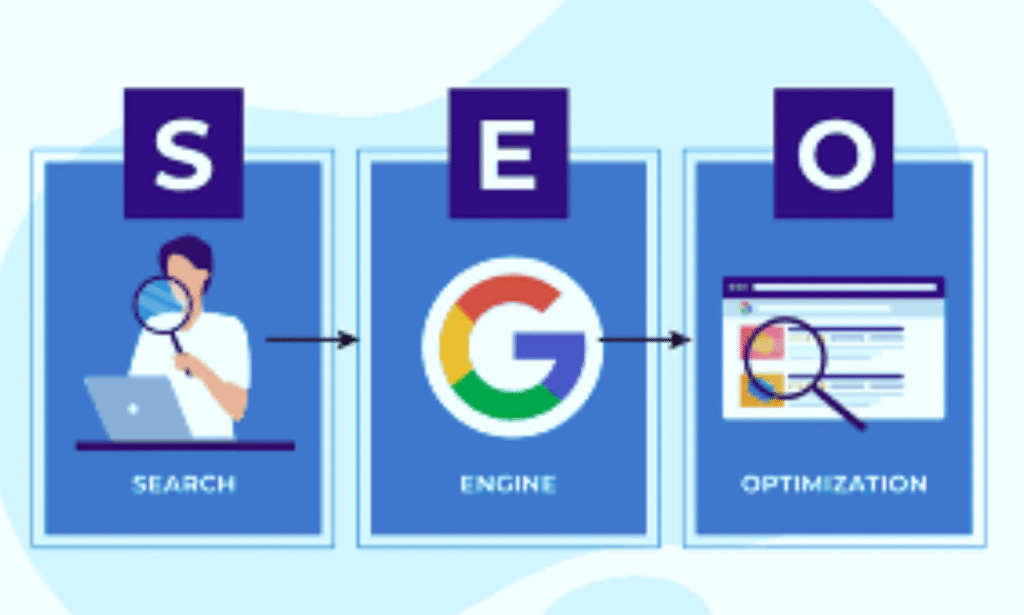
In today’s digital world, having a website is not enough. With millions of websites competing for attention, how can you ensure your business stands out? The answer is Search Engine Optimization (SEO). SEO is the process of improving your website so it ranks higher in search results, attracts more visitors, and generates more leads. This article explains why SEO is essential for every business and how it can transform your online presence.
What is SEO?
SEO (Search Engine Optimization) refers to a set of strategies used to improve your website’s visibility on search engines like Google. When someone searches for a keyword related to your business, SEO helps your website appear among the top results.
Types of SEO
- On-Page SEO: Optimising your content, headings, images, and meta tags.
- Off-Page SEO: Building authority through backlinks and external promotion.
- Technical SEO: Improving site speed, mobile friendliness, and overall performance.
Why Businesses Need SEO
1. Increase Visibility and Traffic
Most online journeys begin with a Google search. Without SEO, your website risks being invisible. SEO ensures your content appears when people search for relevant terms, driving organic traffic.
2. Build Trust and Credibility
Websites that rank high on search engines are viewed as more reliable. Strong SEO includes quality content, proper linking, and secure website practices—all of which build user trust.
3. Cost-Effective Marketing
Compared to paid ads, SEO is highly cost-effective. While ads stop bringing traffic when the budget ends, SEO continues to deliver long-term results.
4. Target the Right Audience
SEO allows you to attract visitors who are already looking for what you offer. By targeting specific keywords, you can reach customers who are ready to engage or buy.
5. Better User Experience
Google rewards websites that provide a smooth user experience. SEO involves optimising website speed, navigation, and mobile responsiveness—benefits that keep users happy.
How SEO Impacts Business Growth
Increased Leads and Sales
With more traffic and better targeting, SEO directly supports lead generation and conversions. For e-commerce businesses, this can mean more product sales.
Competing with Larger Brands
Small businesses often struggle to compete with big names. With smart SEO, even a small website can outrank larger competitors for niche keywords.
Long-Term Value
SEO is an investment that compounds over time. The longer you optimise your site, the more authority and ranking power it gains.
Common SEO Mistakes to Avoid
1. Ignoring Keywords
Not researching or using the right keywords can make your content invisible.
2. Poor Content Quality
Thin, duplicate, or low-value content won’t rank well. Focus on helpful, original content.
3. Skipping Technical SEO
A slow or poorly structured site hurts rankings. Site speed and mobile optimisation are critical.
4. Forgetting Analytics
Without tracking SEO performance, you can’t measure success or improve strategies.
Getting Started with SEO
On-Page SEO Basics
- Write descriptive title tags and meta descriptions.
- Use headings (H1, H2, H3) correctly.
- Add ALT text for images.
- Link internally to related pages.
Off-Page SEO Basics
- Build backlinks from reputable sites.
- Share your content on social media.
- Guest post to reach wider audiences.
Technical SEO Basics
- Optimise for mobile devices.
- Improve site speed.
- Use an SSL certificate (HTTPS).
Conclusion
SEO is no longer optional—it’s essential. A strong SEO strategy helps businesses increase visibility, build credibility, attract targeted traffic, and achieve long-term growth. Whether you run a personal blog, an e-commerce store, or a corporate website, investing in SEO ensures that your audience can find you when it matters most.
If you haven’t started with SEO yet, now is the best time. The earlier you begin, the sooner you can rise above the competition.
.